
Blog
Introducing usage methods and experiences, it is a heartwarming story.
Part-Time Pharmacy Job in Germany: Seeing the Unseen Side of Elderly Life
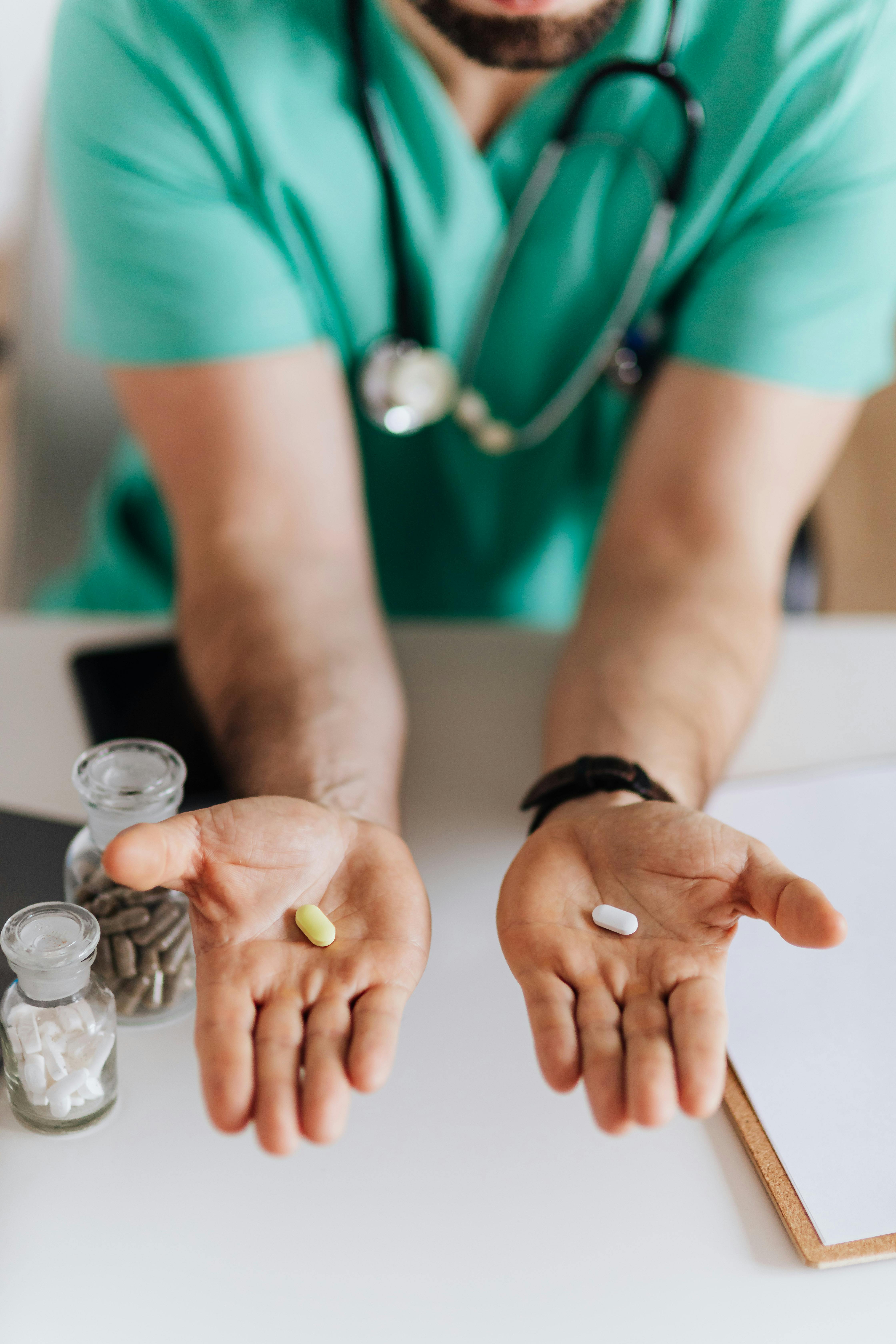
"When Should I Take This Medicine?": Glimpses from a Part-Time Job in a German Pharmacy
“Can you tell me when I should take this medicine? I live alone, and my memory is getting worse these days.”
A soft-spoken German lady in her seventies stood before the pharmacy counter, asking me this question. I had just started my part-time work in Germany barely two weeks earlier.
At that moment, it dawned on me—this job was about more than just “selling medicine.” Over the past six months, I’ve been working at a community pharmacy here in Germany. What began as a way to improve my language skills and earn some extra money turned into a window revealing the often overlooked B-side of Germany’s elderly—a world far from tourist brochures or the polished image of a “high-welfare society.”
Here’s what I saw, heard, and felt during those months among part time workers in Germany, especially those of us serving older adults.
I. What They Need Isn’t Medicine—It’s Someone to Talk To
One of the most surprising things I learned at the pharmacy was this:
Often, the elderly who come to buy medicine aren’t there for the pills—they’re there for the people.
Every morning at 9, a few regulars would already be waiting outside. They weren’t in a hurry to pick up prescriptions. Instead, they’d step in just to chat—about grandchildren, the apple tree in their garden, or simply to comment on the nice weather.
One man in his eighties would amble slowly to the counter, pull out a handwritten note, and ask about his medication—all while noticing if I was wearing a new scarf. Later, I learned his wife had passed away. His daily routine included stops at the supermarket, the pharmacy, and back home. For him, the pharmacy was part of his social ritual—a place to be heard and noticed.
Sometimes, all he bought was vitamin supplements or pain relief cream. But he’d always linger for ten minutes or so, exchange a few words, then amble out as though he’d completed something important.
It was then I understood:
A pharmacy in Germany isn’t just a functional place—it’s an emotional anchor.
Loneliness, I realized, is one of the most common “invisible illnesses” here.
Germany may have pensions, nursing care insurance, and community doctors—but no system can cure loneliness.
Many elderly customers mention almost casually, “I live alone now.” Not as a complaint, just a fact. But the tone tells you everything.
One woman in her early sixties came in for antidepressants. She’d just retired and was struggling. “There’s too much empty time,” she confessed. “I feel like my head is empty too.”
Another lady repeatedly asked us to explain the instructions on her medicine box. She wasn’t confused—she was scared. “I’m afraid I’ll forget. There’s no one at home to remind me.”
Some have children in other cities; some never married; others have lived alone for decades. They believe in independence, but aging still carries a quiet ache.
Before this part time job in Germany, I’d never fully believed that loneliness could be a “disease of civilization.” Now I know—it’s no exaggeration. I see it every day.
II. They Fear Loss of Autonomy More Than Death
I once asked a woman nearly 70 what medication she was picking up.
“It’s for osteoporosis,” she said with a light smile. “I’ve got to keep myself standing—otherwise, I’ll end up in a wheelchair.”
Among the seniors I met, almost no one was afraid of death. What they dreaded was losing the ability to care for themselves.
Many insisted on managing their own medications to avoid hospitalization. Others researched vitamins and supplements—hoping to buy more time.
One man told me plainly: “I’d rather die at home than go to a nursing home.” That stuck with me.
To many German seniors, nursing homes don’t mean comfort—they mean surrender.
So they fight to stay independent—even if it means struggling with pain or strict routines.
They are disciplined—taking pills on schedule, exercising, tracking blood pressure and sugar levels in little booklets. We offered reminder stickers for medication, and they used them faithfully.
But behind that discipline lies deep fragility.
Once, an elderly man stood frozen at the counter—he’d brought the wrong health insurance card. He berated himself, worrying aloud: “Am I losing it? Is it dementia?”
That fear is real.
Some grow anxious if a medication is out of stock. It’s not the illness they fear—it’s the disruption. They’re used to order. Any change feels like a threat.
I sometimes wonder: Is this self-discipline really a mask for a deeper fear of losing control?
The older they get, the more they need to feel in charge—even if it’s just over what pill to take and when.
III. The Three Realities of Aging: Body, Mind, and Agency
Looking back, I’d summarize what I observed into three dimensions: physical, psychological, and social.
Physically, German seniors are proactive about health—but that also means growing dependent on medications to function.
Mentally, they appear calm, but loneliness and anxiety run deep—they’re just better at hiding it.
Socially, even with robust systems in place, many feel invisible—no longer at the center of society, but managed by it.
It made me wonder:
When we imagine “a good old age,” are we only seeing the surface?
This half-year in the pharmacy taught me to slow down.
At first, I was all efficiency—trying to process orders quickly. But I soon learned: what matters to these customers isn’t speed—it’s whether someone truly listens.
One grandmother told me:
“You listen so well—it makes me feel safe.”
I started remembering names, asking how they were feeling, wishing them a good day. Those small interactions became the most meaningful part of my part-time work in Germany.
Maybe the best prescription— beyond pills and supplements—is simply to be heard, seen, and remembered.
Six months isn’t long. But it was enough to show me a real group of people—growing older, trying to stay dignified.
Old age in Germany isn’t as ideal as some imagine—but it’s not all bleak either. There’s security, but also solitude; self-reliance, but also silent struggle.
Their “B-side” isn’t a dark secret—it’s just life, nuanced and real.
And one day, we too will grow old.
Maybe then we’ll pause—and truly see the elderly around us: our parents, our grandparents, those quietly striving to live well day by day.
The pharmacy became a mirror—
showing me not only them,
but also my own future.